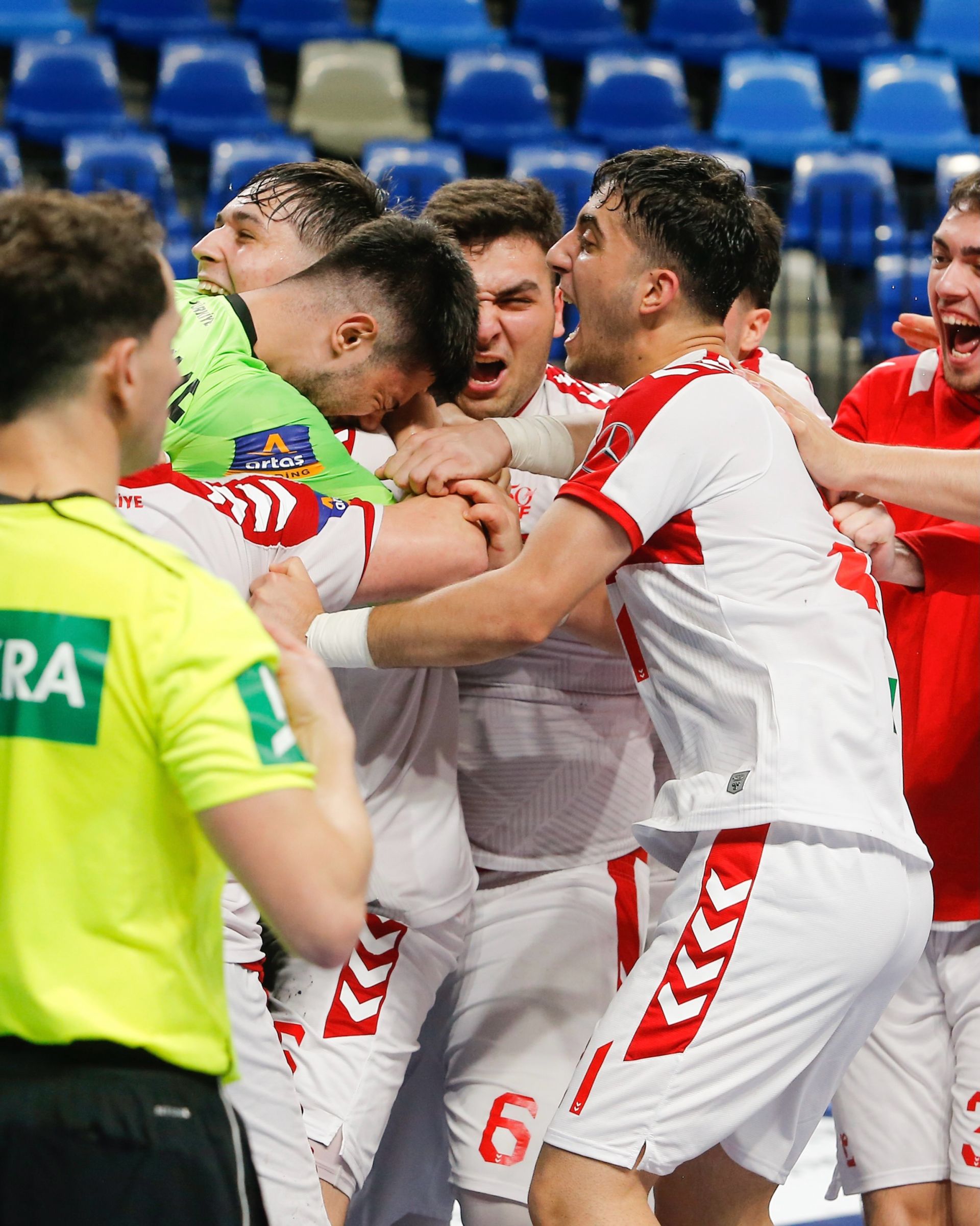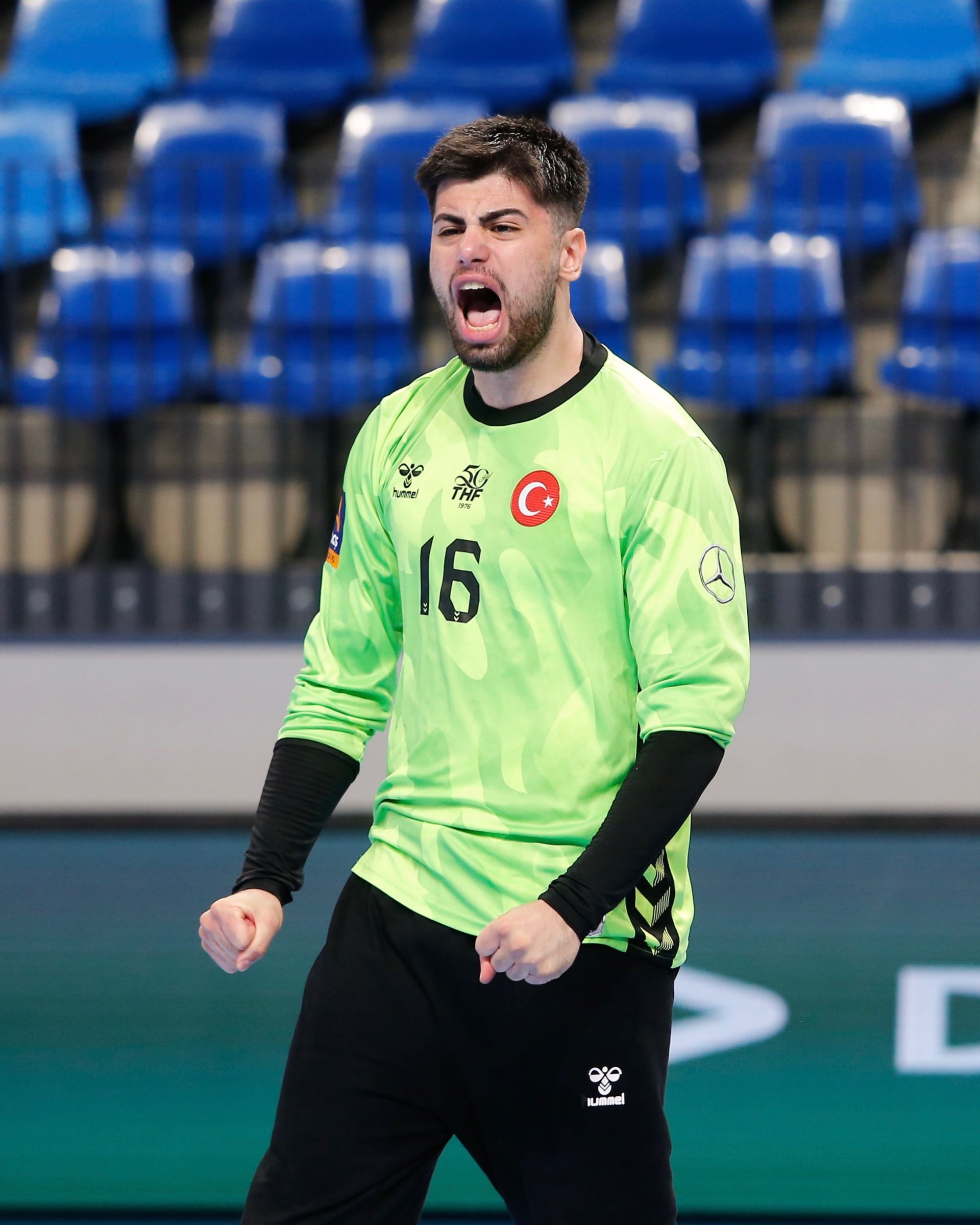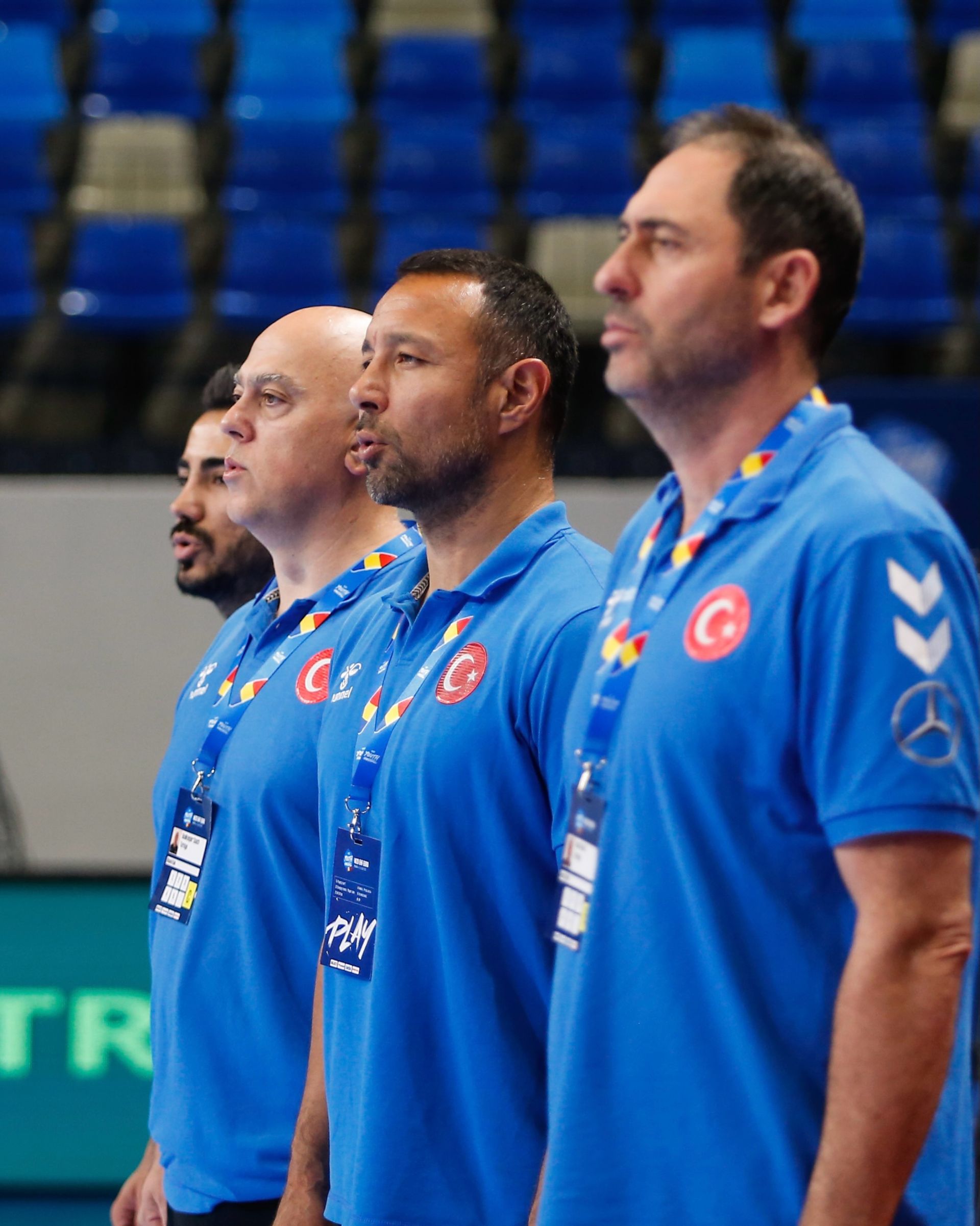
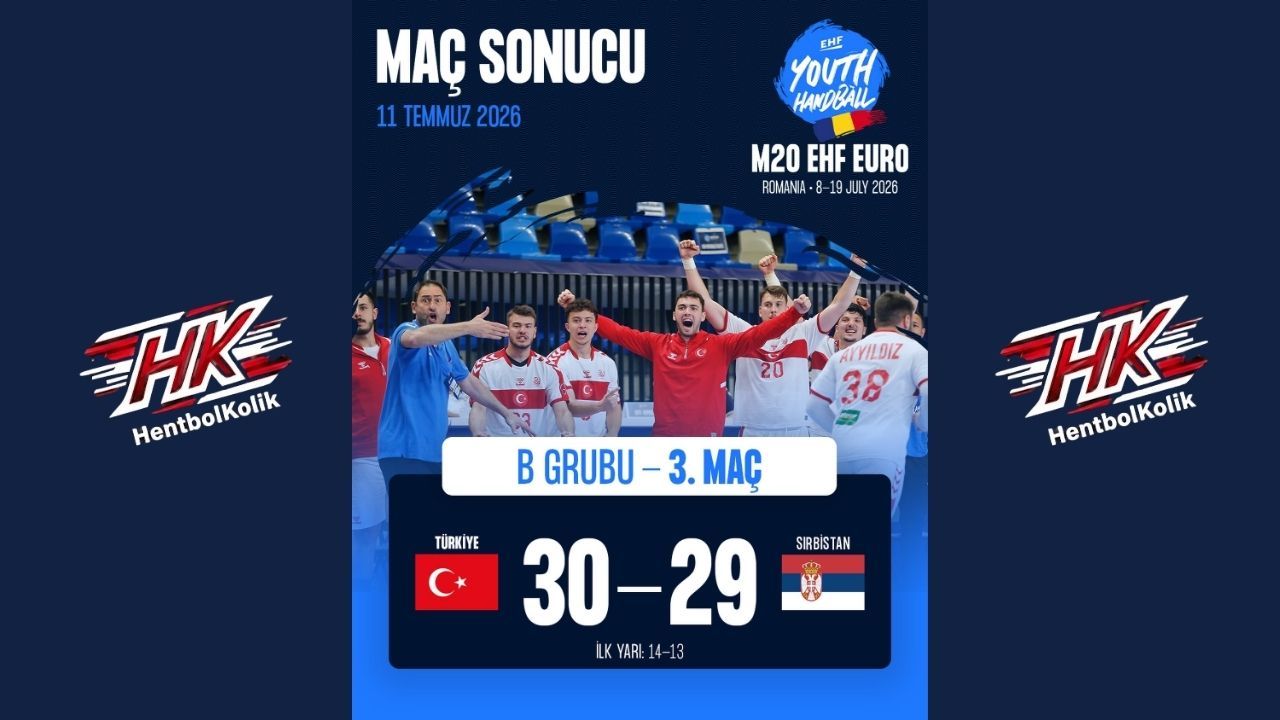
In their final Group B fixture at the U20 Men's European Championship, held in Cluj, Romania, Turkey's young national team defeated Serbia 30-29 to claim their first victory of the tournament. The contest was tightly fought from start to finish, with the outcome in doubt until the closing seconds.
A balanced contest defined the first half. Turkey's young side displayed disciplined defensive organization and was rewarded for patient, controlled play in attack, closing the opening period with a 14-13 lead.
Serbia raised the intensity in the second half, but Turkey's national team kept its composure, protecting its narrow advantage throughout and coming away with a one-goal win at the final whistle. The result marked the team's first victory of the tournament, following earlier group-stage defeats to Switzerland (32-50) and the Faroe Islands (28-40).
Coming after a difficult start, this win carries value both as a morale boost and as part of the squad's broader development path toward the senior national team. At this age level, every match against Europe's strongest sides represents a crucial step on the pathway that eventually feeds talent into the senior national team.
U20 Men's National Team Beats Serbia 30-29: First Win of the Tournament
In their final Group B match at the U20 Men's European Championship in Romania, Turkey's young side led 14-13 at halftime and held on to defeat Serbia 30-29, securing their first win of the tournament.
In This Story
- Turkey's U20 men's national team defeated Serbia 30-29 in their final Group B match at the European Championship.
- Turkey led 14-13 at halftime and preserved the margin throughout the second half.
- The win was Turkey's first of the tournament, following losses to Switzerland and the Faroe Islands.
Closing out a tournament with a one-goal win after two heavy defeats reveals something beyond the scoreline: a team character that doesn't unravel under pressure. At U20 level, the real gain isn't a medal but the tempo and competitive experience these young players accumulate by facing Europe's strongest sides. The lopsided scorelines against Switzerland and the Faroe Islands, meanwhile, make clear how much ground Turkish handball still needs to cover physically and tactically at this age category. The real question is whether this experience can be converted into a sustained development program at club and federation level. Today's 30-29 can only become the foundation of tomorrow's senior national team success if it's backed by continuity and investment in youth development.
PHOTO GALLERY (3 photos)