In German handball, the name Kiel evokes more than a club — it conjures a city that has turned handball into its identity, one of the sport's capitals through its arena, its supporters and its culture. Turkey has no equivalent yet. But Mihalıççık, a small district of Eskişehir known locally simply as "Malıç," is making headlines this season with a project that extends its ambitions well beyond the roster sheet.
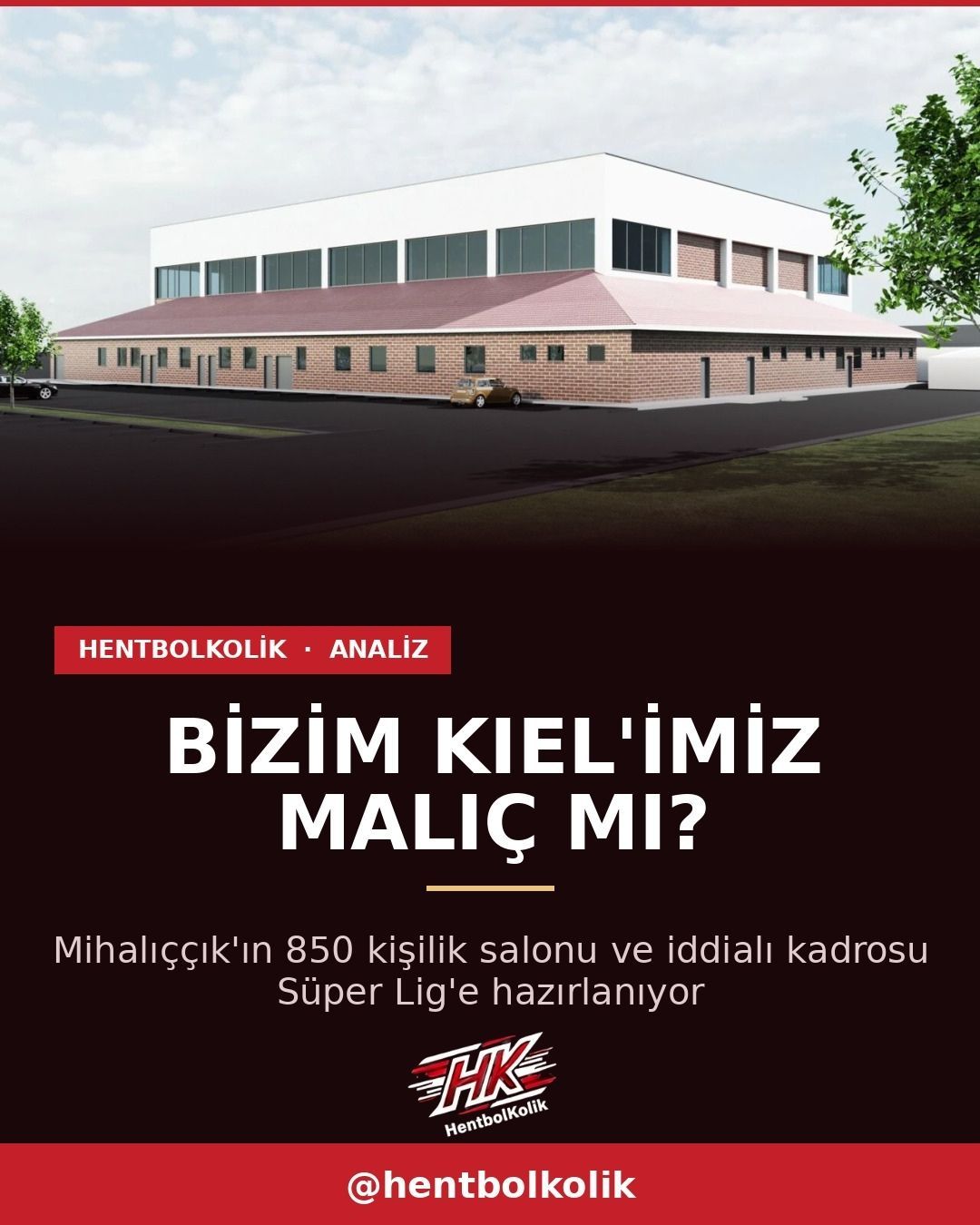
At the heart of the project is a facility. The Mihalıççık Municipality is bringing an 850-seat indoor arena, rising within a 20-decare complex, into service this month, with completion planned in time for league fixtures. The investment, totalling 105 million Turkish lira, was financed with 70 million lira from sponsorship and 35 million lira from the municipality's own resources. In the words of Mayor Haydar Çorum, the club had until now played its matches in arenas in Eskişehir; from now on, Super League fixtures will be held in the district itself, in front of its own supporters. A district gaining its own handball arena is the physical foundation of the identity idea, and, in the club's view, the driving force behind the entire project.
This structure did not emerge overnight. The process began last season and is now coming fully online with the completion of the arena. The complex is not limited to handball either — tennis, basketball and volleyball courts and an indoor artificial turf pitch are already in place, with a semi-Olympic swimming pool planned for the future. In other words, this is not about a single arena, but about building an entire sports hub.
The on-court structure is also taking shape along professional lines. The technical staff is headed by Murat Mızrakçı, while goalkeeping coaching duties are handled by İlhami Kale, who also holds the same role with the U20 national team. The latest addition to the staff is performance coach Mert Diner. Having a national-team-experienced goalkeeping coach and a dedicated performance coach on staff is a clear sign of how seriously the club is approaching this season.
On the transfer front, the picture reveals a method rather than a list of isolated signings. The club first protected its backbone: last season's right wings Murat Yıldız and Furkan Elmas, left wing Mohamed Mapangou Diop along with young talent Çınar Alp Demircan, line player Amirabbas Heidarinia, and goalkeeper Hozhabr Taheri all re-signed for the new season. Retaining the players who carried last season's performance created a solid foundation on which to build further.
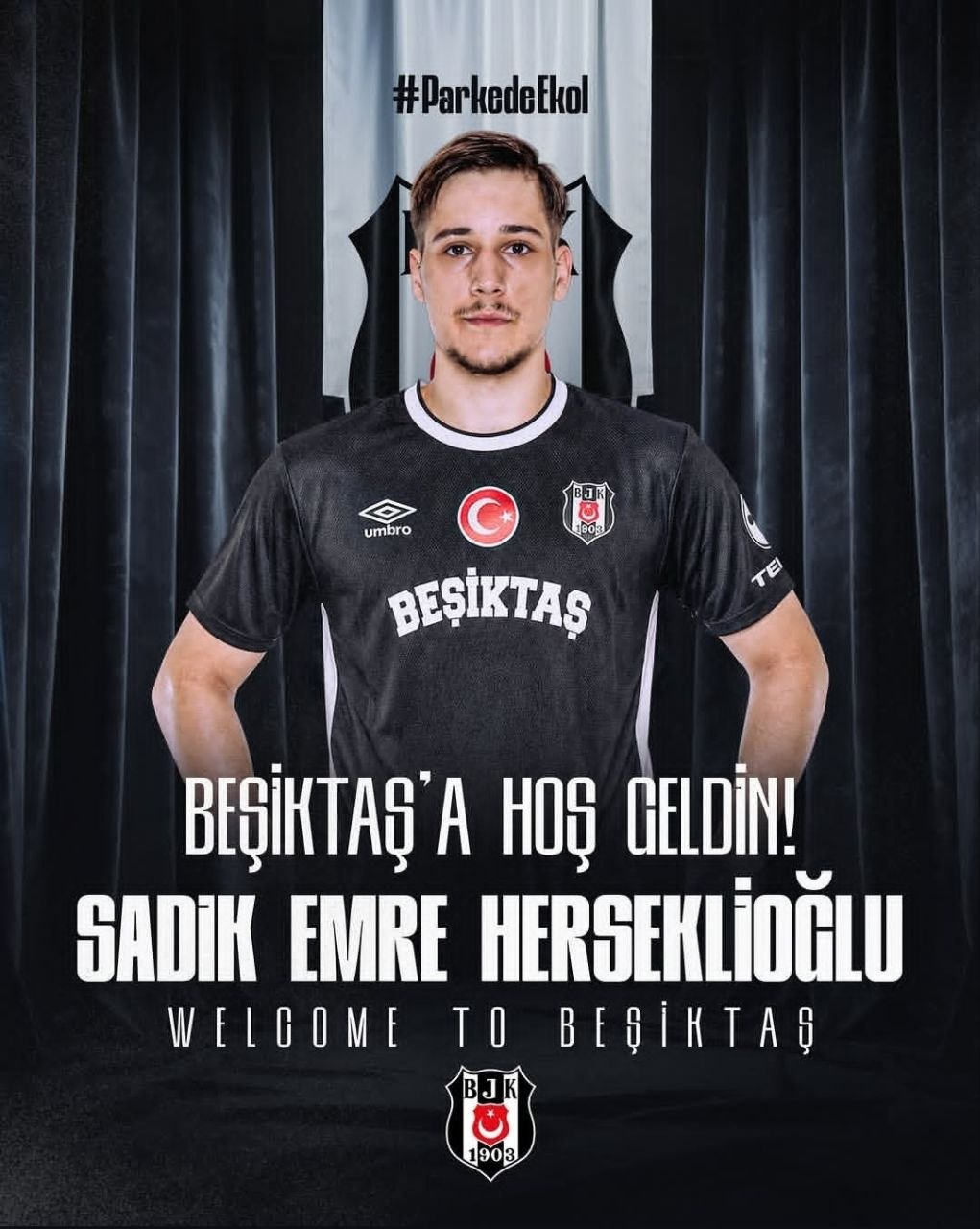
The second wave was aimed directly at adding strength. With Serbian goalkeeper Aleksandar Milenkovic and young Kaan Emre Aksu joining, the club now has an unusual depth of three goalkeepers. The playmaking positions were deliberately bolstered as well: Amir Abbas Soltani and Manuel on the right back, Tahir İlkbahar and returning Şafak on the left back, and Muhammed Mustafa Tekcan, Fernando and Daniel Bello at centre back, with experienced Ramazan Mutlu also joining the rotation. This crowded contingent of foreign signings — experienced names from Serbia and Iran alongside players of African origin — points to a squad waiting to be tested against the league's benchmarks. The club stated that transfer activity would continue, and that the official announcements for young domestic players Buğra Çelik and Muhammed Rubar Öndeş would follow shortly.
Behind this overhaul lies a departure: last season's centre back Eray Karakoç, who scored 194 goals, moved to Kosovo. Bringing in three playmakers at once — Muhammed Mustafa Tekcan, Fernando and Daniel Bello — for that same position is no coincidence; rather than placing the burden left by its departed star on a single name, the club opted for a collective solution.
Whether Malıç truly becomes "our Kiel" is an ambitious question, and only time will provide the answer. But a district building its own arena, patiently pursuing a multi-year structural project, and assembling an ambitious squad — that is precisely how handball cities are born. Mihalıççık, at the very least, appears to have laid the first stones on that road.
Is Malıç Our Kiel? Mihalıççık Builds a Handball Identity in the Super League With Its Own Arena
In German handball, Kiel is more than a club — it is a city's identity. Mihalıççık, a small district of Eskişehir known locally as "Malıç," is taking the first steps down a similar path with an 850-seat arena opening this month and a squad-building project launched last season.
In This Story
- Eskişehir's small district Mihalıççık (Malıç) will bring its own 850-seat indoor arena (105 million TL) into service this month, hosting Super League matches in its own district for the first time.
- A facility and squad-building process launched last season comes fully online this season; the technical staff led by Murat Mızrakçı and a squad built on continuity plus reinforcement (three goalkeepers, a deep playmaking line) is growing stronger.
- A club's own arena, multi-year structural planning and an ambitious squad — a district's attempt to forge a handball identity. Mihalıççık signals it could become one of the league's toughest teams.
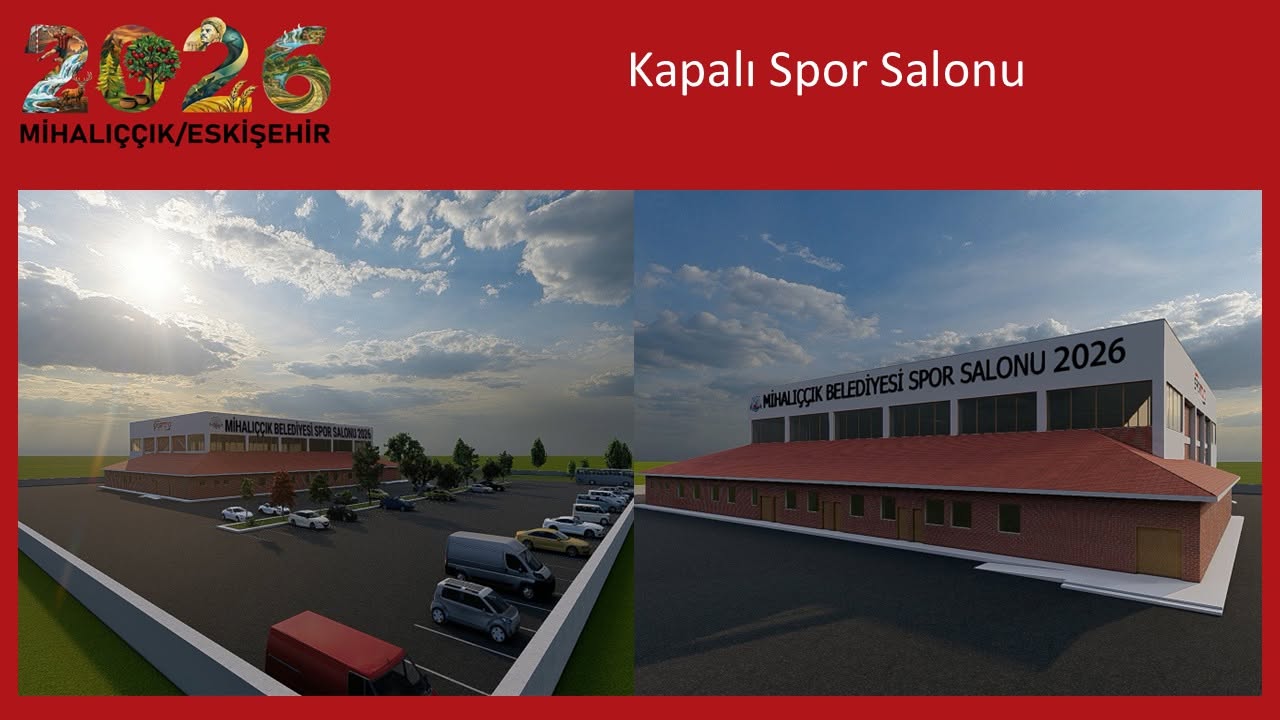
In Turkey, handball clubs typically lean on metropolitan municipalities or corporate sponsors; a small district trying to build a self-sufficient handball identity around its own arena is a genuinely rare case — and that, not the transfers, is the real story here. The Kiel comparison is overreaching for now, even premature, but the model is sound: facility first, then years of patience, then the roster. The risk is equally clear; a squad heavy on international signings and a district's limited resources only become sustainable once the arena fills up and the town embraces the team as its own. If those 850 seats start filling and Malıç adopts the team as part of its identity, Mihalıççık could stand on the threshold of something no district in Turkey has achieved. That is the question worth watching.
PHOTO GALLERY (1 photos)